Common Entry Points Raccoons Use to Access Buildings
People seeking raccoon removal often want to identify and seal common entry points raccoons use to access buildings, and local service providers can professionally handle these repairs.
If you’ve been wondering how raccoons manage to find their way into buildings, you’re in the right place. Understanding the common entry points raccoons use to access buildings can help property owners in the area identify vulnerabilities and prevent unwanted wildlife from making themselves at home. Raccoons are clever and resourceful, often exploiting small openings, damaged vents, or gaps around utility lines to gain entry. Recognizing these potential access points is a practical step toward safeguarding properties and maintaining a secure environment.
Property owners who notice signs of raccoon activity or want to prevent future issues may find it helpful to explore how local contractors handle raccoon removal and exclusion. These service providers are experienced in identifying and sealing entry points, ensuring that raccoons are kept out without causing damage to the building. Keep reading to learn about the typical entry points raccoons use and how local experts can assist with effective removal and property protection.
- When homeowners notice raccoons entering through roof vents or chimneys, local contractors can seal these common entry points to prevent further access. - If raccoons are found entering attics or crawl spaces via gaps in siding or soffits, service providers can identify and secure these vulnerabilities. - When raccoons are suspected of using damaged soffits or eaves to access buildings, local pros can repair and reinforce these areas. - For buildings with open vents or unsealed utility openings, local contractors can install barriers to block raccoon entry points. - When raccoons are seen around rooflines or chimney areas, service providers can evaluate and secure these common access points to prevent future intrusion.
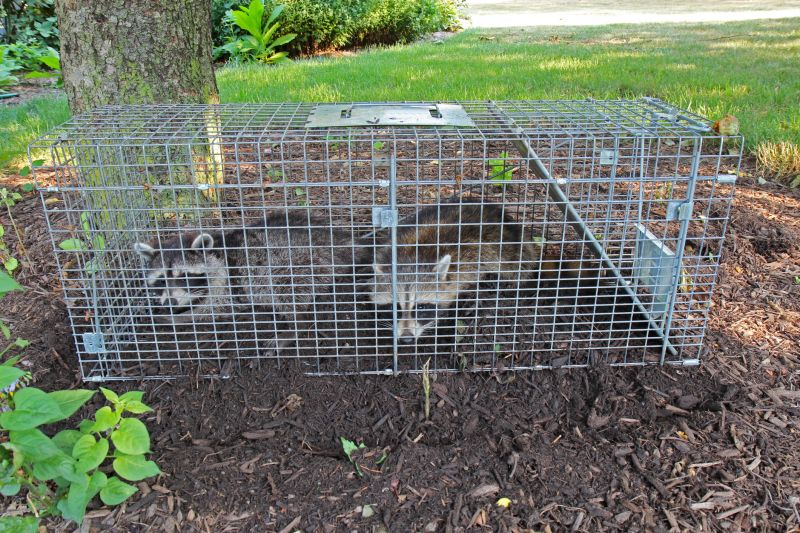
When homeowners search for information about common entry points raccoons use to access buildings, they are typically trying to understand how these clever animals manage to get inside their properties. Many people are dealing with raccoon sightings or signs of intrusion, such as droppings or damage, and want to identify how the animals are gaining access. This knowledge helps them evaluate the vulnerability of their property and plan effective removal or exclusion strategies. Understanding raccoon entry points is essential for preventing future problems, especially since these animals are known for their resourcefulness and ability to exploit weak spots around structures.
The issues connected to raccoon entry points often involve property damage, health concerns, and the potential for these animals to create nests inside buildings. Raccoons are known to tear apart vents, open unsecured attic vents, or squeeze through small openings to find shelter. Homeowners may be planning repairs or seeking to reinforce weak spots to keep raccoons out permanently. Local contractors who specialize in raccoon removal often focus on identifying and sealing these entry points as a critical part of their service. Addressing these vulnerabilities not only solves immediate problems but also helps prevent raccoons from returning or attracting other wildlife.
Certain types of properties are more susceptible to raccoon entry points due to their design or age. Residential homes with attics, garages, or crawl spaces are common targets because these areas often have small, overlooked openings. Older buildings with deteriorating siding, loose shingles, or poorly sealed vents are also at higher risk. Commercial buildings, especially those with roof access or ventilation systems, can be vulnerable as well. Property owners with trees or shrubbery close to the building may inadvertently create pathways that raccoons use to reach higher points of entry. Local service providers are experienced in assessing these property types and recommending tailored solutions to block raccoon access.
Understanding common entry points raccoons use to access buildings is a key step in protecting properties from these persistent animals. Homeowners who notice signs of raccoon activity should consider how these animals might be entering and seek professional assistance for thorough inspections. Local pros are skilled at locating hidden or hard-to-see entry points, such as vents, chimneys, or small gaps around the foundation. By addressing these vulnerabilities, property owners can effectively deter raccoons and prevent future issues. Connecting with experienced service providers ensures that the appropriate exclusion methods are used, safeguarding the building while respecting local wildlife regulations.
Building Inspection Projects - Professionals perform detailed inspections to identify potential entry points raccoons may use, helping homeowners understand vulnerabilities in their structures.
Wildlife Exclusion Services - These projects involve sealing off common entry points to prevent raccoons and other wildlife from accessing buildings, requiring planning and specialized tools.
Roof and Attic Vent Repair - Repairing or installing vents helps prevent raccoons from entering through roof openings, involving similar skills used in raccoon entry point identification.
Gutter and Eaves Repair - Fixing damaged gutters and eaves can eliminate access points for raccoons, requiring knowledge of building features and wildlife behavior.
Foundation and Basement Sealing - Sealing cracks and gaps around foundations helps block raccoon entry points, involving planning and precise sealing techniques.
Structural Reinforcement Projects - Reinforcing vulnerable areas of a building to deter raccoon entry involves similar planning and repair skills used in raccoon exclusion work.
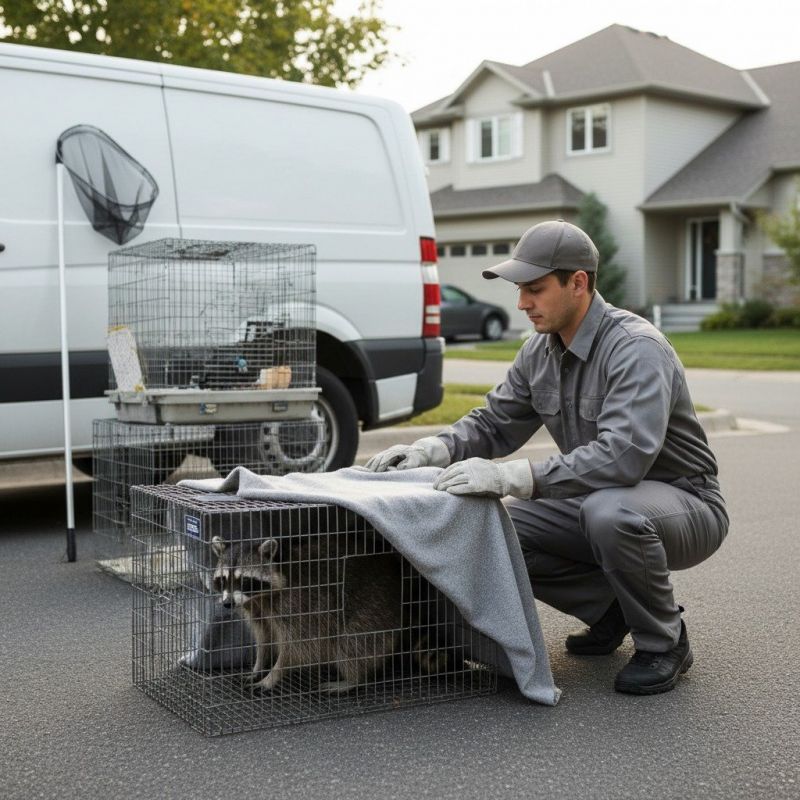
When evaluating service providers for raccoon removal, it is important to consider their experience with similar projects, particularly those involving common entry points raccoons use to access buildings. An experienced contractor will have a clear understanding of how raccoons typically gain entry, such as through roof vents, chimneys, or damaged soffits, and will know how to effectively identify these vulnerabilities. Asking about their past work on comparable situations can help ensure they have the practical knowledge needed to address the specific challenges posed by raccoon entry points.
Clear written expectations are essential when choosing a local contractor for raccoon removal services. A reputable provider should be able to outline the scope of work, including how they plan to inspect and seal common entry points, and what steps they will take to prevent future access. Having these details in writing helps establish a mutual understanding of the process and ensures that the homeowner and contractor are aligned on the goals of the project. This transparency can also serve as a safeguard against misunderstandings or incomplete work.
Reputable references and good communication are key indicators of a trustworthy service provider. When considering different local contractors, it is helpful to seek out references from previous clients who had similar raccoon entry issues. This can provide insight into their reliability and the quality of their work. Additionally, a contractor who communicates clearly and promptly can make the process smoother and more transparent, allowing the homeowner to feel confident in their choice. Effective communication ensures that questions are answered and that the homeowner remains informed throughout the project, leading to a more successful and satisfactory outcome.
Property owners often search for common entry points raccoons use to access buildings when they are planning practical projects around their homes and businesses. Local pros provide Raccoon Removal services for everyday jobs and straightforward project options.
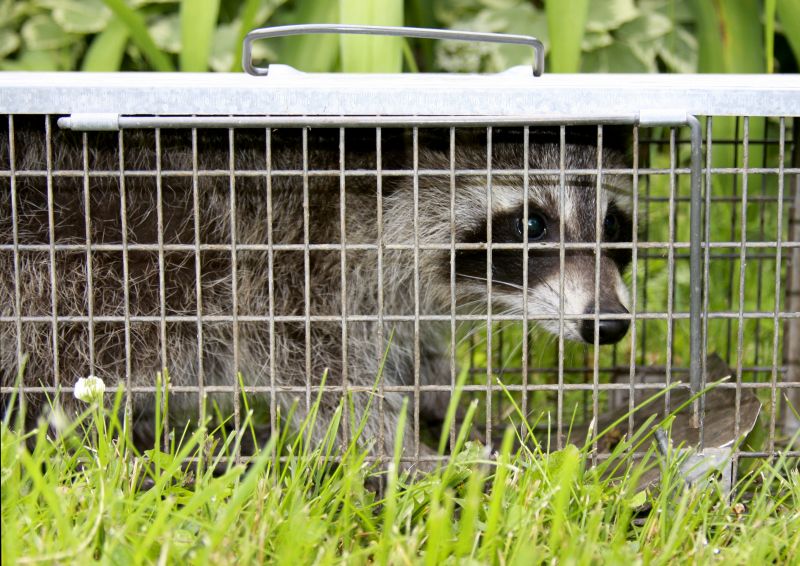
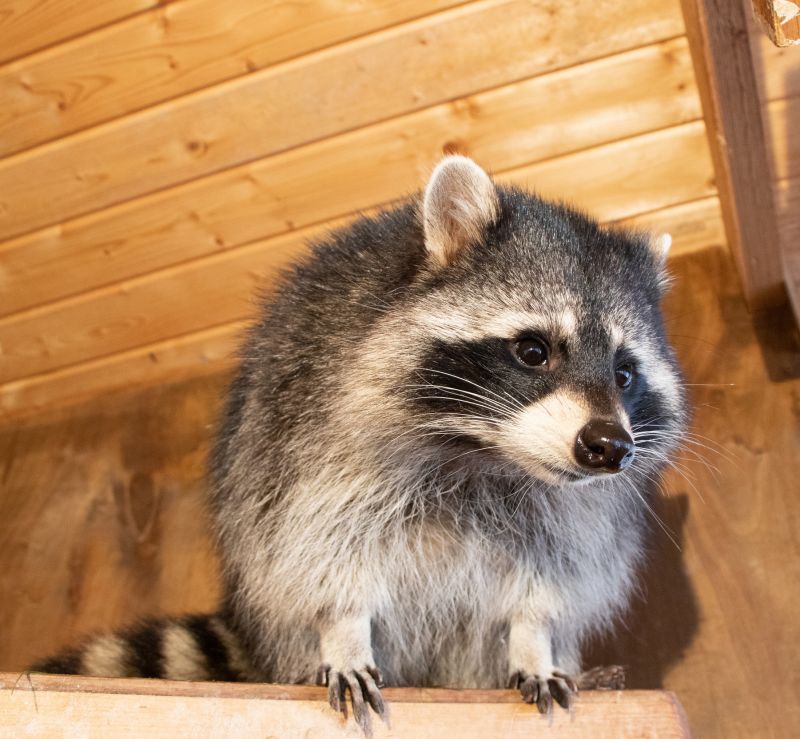
Understanding the common entry points raccoons use to access buildings can help property owners identify vulnerabilities around their properties. Raccoons are known for their dexterity and curiosity, often exploiting small openings such as gaps around vents, chimneys, attic vents, or damaged soffits. These animals may also squeeze through unsealed crawl spaces, loose fascia boards, or gaps in roofing materials. Recognizing these potential access points is a practical step for those dealing with raccoon activity, especially if signs of intrusion or damage are evident.
When raccoons find ways into buildings, it often leads to concerns about property damage and health risks. Local contractors specializing in raccoon removal can assess the property for these common entry points and recommend effective sealing or exclusion measures. Engaging experienced service providers ensures that access points are properly addressed, reducing the likelihood of future intrusions. Property owners considering raccoon removal services may find it helpful to connect with local experts who understand the typical ways raccoons gain entry and can implement appropriate solutions.
What are common entry points raccoons use to access buildings? Raccoons often enter buildings through roof vents, chimneys, damaged soffits, gaps around utility lines, and broken window screens. Local contractors can inspect these areas to identify potential raccoon entry points.
How do raccoons typically get into attics or upper floors? They usually climb trees or nearby structures to reach roofs and then find holes or weak spots in the roof or eaves. Raccoon removal experts can help secure these vulnerable areas to prevent access.
Are there specific building features that raccoons prefer to use as entry points? Raccoons tend to exploit openings like loose shingles, damaged soffits, or vents. Local service providers can evaluate these features and recommend effective sealing solutions.
Can raccoons access buildings through chimneys or vents? Yes, raccoons often use chimneys, roof vents, or poorly sealed exhaust openings as entry points. Raccoon removal specialists can install protective barriers to block these access routes.
What steps can be taken to prevent raccoons from using entry points to access buildings? Regular inspections, sealing gaps, installing chimney caps, and repairing damaged roofing components are key measures. Local pros can assist with these prevention strategies to keep raccoons out.
Identifying roof entry points - property owners can inspect roof vents and eaves to find potential raccoon access areas, enabling local contractors to seal these openings effectively.
Checking foundation vulnerabilities - examining foundation walls and crawl spaces helps pinpoint gaps or cracks that raccoons may use to enter buildings, with local pros able to secure these entry points.
Assessing vent and chimney covers - ensuring vents and chimneys are properly capped prevents raccoons from gaining entry, and local service providers can install or repair these covers.
Examining attic and soffit areas - inspecting soffit vents and attic openings allows property owners to identify and address access points with the help of local raccoon removal specialists.
If you are thinking about common entry points raccoons use to access buildings for a property, this guide is meant to help you understand this topic, the typical project types, and how different options might fit your plans.
When you are ready, you can use the quote form on this page to share a few details about your project. From there, local pros can review the basics and follow up with options that match what you have in mind.