Seasonal Racoon Activity and When Removal Is Most Effective
Understanding seasonal racoon activity and when removal is most effective helps homeowners connect with local contractors who specialize in humane and timely racoon removal services.
Understanding seasonal racoon activity and when removal is most effective can be crucial for property owners looking to protect their homes and prevent property damage. Raccoons tend to be most active during specific times of the year, often seeking food, shelter, and mates, which can lead to increased encounters around residential areas. Recognizing these patterns can help homeowners decide the best moments to address raccoon concerns, ensuring that efforts to remove or deter them are timely and more likely to succeed. Local contractors specializing in raccoon removal are well-versed in these seasonal behaviors and can provide guidance on the optimal periods for effective intervention.
For property owners in the area, exploring this topic is a practical step toward maintaining a safe and secure property environment. Knowing when raccoons are most active allows for targeted removal strategies and preventative measures, reducing the likelihood of ongoing issues. Local service providers can offer expertise tailored to seasonal trends, helping residents implement effective raccoon control methods at the right times. Continuing to learn about seasonal raccoon activity and when removal is most effective can empower homeowners to make informed decisions and connect with trusted local pros who can assist with safe and efficient raccoon management.
- Seasonal racoon activity and when removal is most effective - local contractors often see increased raccoon presence during spring and fall when animals are searching for food and shelter.
- Early summer is a common time for raccoons to cause damage, prompting local pros to implement removal strategies before nesting begins.
- During late fall, raccoon activity tends to decrease, but local service providers can assist with humane removal before winter sets in.
- In winter, raccoon activity may slow, but professionals can help with removal if animals have entered structures seeking warmth.
- Understanding seasonal raccoon activity and when removal is most effective helps local contractors plan timely interventions to prevent property damage.
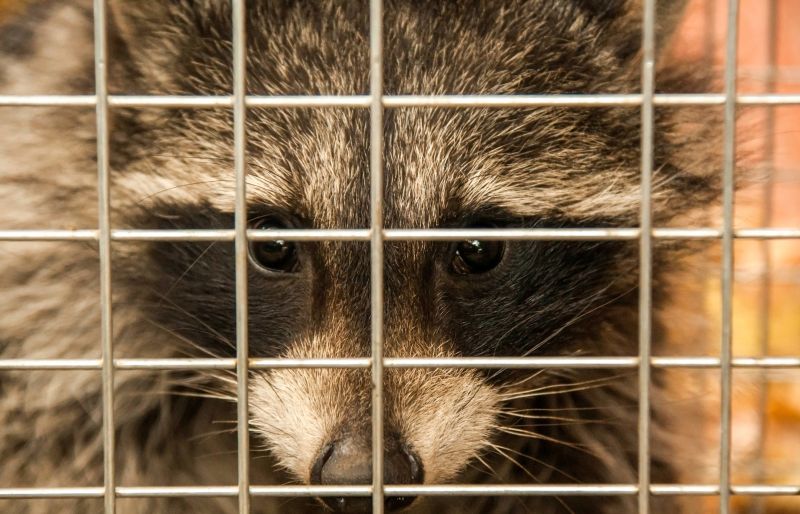


Understanding seasonal racoon activity and when removal is most effective involves recognizing the patterns of raccoon behavior throughout the year. Raccoons tend to be more active during certain seasons, especially in the spring and early summer when they are searching for food to support their breeding and raising of young. During these times, they may be more likely to explore properties, rummage through trash, or seek shelter in attics, sheds, or crawl spaces. Homeowners often search for this topic when they notice raccoons becoming more visible or suspect that their property provides easy access to food or shelter. This knowledge helps in planning the right time to implement removal strategies before raccoons establish permanent nesting sites or cause damage.
Many property owners associate seasonal raccoon activity with specific problems related to wildlife intrusion. These can include property damage, such as torn-up lawns or damaged trash containers, as well as safety concerns like raccoons entering attics or basements. Plans for raccoon removal often stem from these issues, especially when residents want to prevent raccoons from nesting in or around their homes. The topic also arises when homeowners are considering preventative measures, such as securing entry points or installing barriers, to reduce the likelihood of raccoon problems during peak activity periods. Understanding the seasonal patterns enables homeowners to coordinate with local service providers to address these issues at the most strategic times.
Properties most commonly affected by seasonal raccoon activity tend to be residential homes, particularly those with accessible attics, roof vents, or gaps in the exterior structure. Rural or suburban properties with nearby wooded areas or water sources are also more prone to raccoon visits, especially during seasons when food sources are plentiful. Additionally, properties with unsecured trash or compost areas can attract raccoons, leading to increased activity during seasons when they are actively foraging. Recognizing these property types helps homeowners identify when their property might be at higher risk and when engaging local contractors for removal or preventative work would be most beneficial.
For homeowners seeking to manage raccoon activity effectively, understanding when removal is most impactful is crucial. Local service providers can advise on the best times to implement removal or exclusion measures, often during early spring or late fall when raccoon activity shifts or diminishes. Timing these efforts correctly can prevent raccoons from establishing long-term nests or causing significant property damage. Additionally, professional raccoon removal specialists can help identify entry points and recommend ongoing preventative strategies to reduce the chance of future invasions. Connecting with experienced local contractors ensures that raccoon issues are addressed promptly and efficiently, aligning with seasonal activity patterns for optimal results.
Wildlife exclusion services - these projects involve installing barriers and repairs to prevent raccoons from entering structures, aligning with seasonal activity patterns and optimal removal timing.
Roof and attic sealing - local contractors specialize in sealing entry points that raccoons use, which is crucial during peak activity seasons for effective removal and prevention.
Pest proofing and damage repair - these projects focus on identifying and fixing vulnerabilities in buildings to deter raccoon intrusion, often scheduled around seasonal activity peaks.
Animal trapping and relocation - professionals handle humane trapping efforts during times when raccoon activity is highest, ensuring effective removal aligned with seasonal behaviors.
Habitat modification services - these projects involve altering outdoor environments to make them less attractive to raccoons, supporting control strategies during active seasons.
Inspection and assessment services - local service providers evaluate property vulnerabilities related to raccoon activity, helping determine the best times for removal efforts based on seasonal patterns.
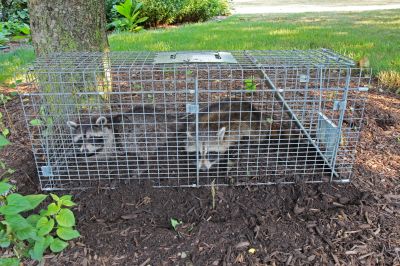
When evaluating service providers for seasonal racoon activity and when removal is most effective, it is important to consider their experience with similar projects. Homeowners should look for local contractors who have a proven track record of handling raccoon-related issues, particularly during specific times of the year when raccoon activity tends to peak. An experienced professional will understand the behavioral patterns of raccoons and be familiar with the most effective methods for removal and prevention, ensuring that the approach is tailored to the seasonal nature of the problem.
Clear written expectations are essential when comparing local pros for raccoon removal services. Homeowners should seek providers who can outline the scope of work, the methods used, and the expected outcomes in detail. This transparency helps ensure that both parties are aligned on what the service will entail and reduces the potential for misunderstandings. Additionally, understanding the process can help homeowners assess whether the approach is appropriate for addressing seasonal raccoon activity and whether it aligns with their specific needs.
Reputable references and good communication are key factors when selecting a service provider. Homeowners should inquire about references or reviews from previous clients who had similar raccoon-related issues, especially those related to seasonal activity. Reliable service providers will be willing to share these references and demonstrate a history of satisfied customers. Furthermore, clear and consistent communication throughout the process helps ensure that homeowners stay informed about the progress and any necessary follow-up, contributing to a smoother experience when addressing seasonal raccoon activity and timing for removal.
Property owners often search for seasonal racoon activity and when removal is most effective when they are planning practical projects around their homes and businesses. Local pros provide Seasonal Racoon Removal services for everyday jobs and straightforward project options.

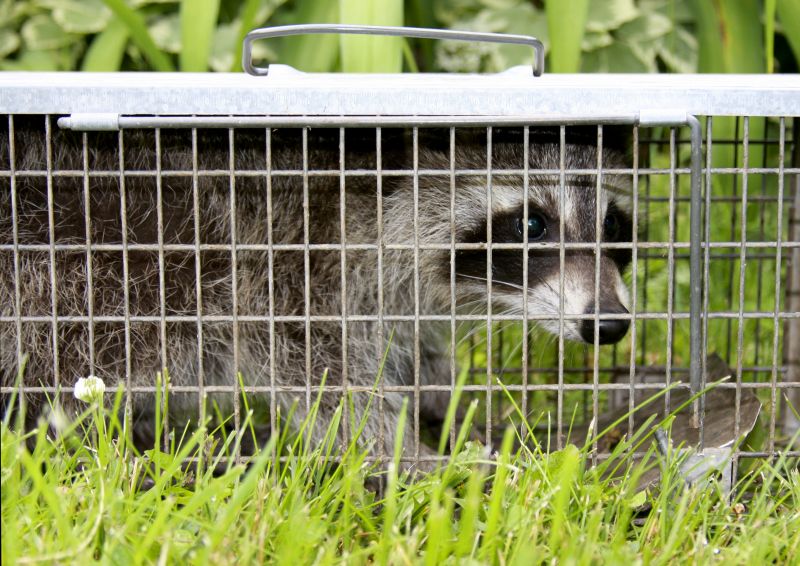
Seasonal racoon activity tends to increase during specific times of the year, often coinciding with warmer months when raccoons are more active and searching for food. Property owners noticing raccoons rummaging through trash, nesting in attics, or causing damage may find it helpful to explore seasonal racoon removal services offered by local contractors. These professionals understand the patterns of raccoon behavior throughout the year and can provide timely assistance to address issues before they escalate.
Timing is an important factor when considering raccoon removal, as certain seasons offer more effective opportunities for humane and thorough removal. For example, late winter or early spring might be ideal times to handle raccoon problems, since animals are more likely to be actively searching for new den sites and less likely to be pregnant. Engaging with local service providers during these periods can help property owners manage raccoon activity efficiently, reducing the chance of future conflicts and property damage.
When is raccoon activity highest during the year? Raccoon activity tends to increase during spring and early summer as they seek food and nesting sites, making it the prime time for removal efforts by local service providers.
Why is seasonal raccoon removal most effective during specific times? Removal is most effective when raccoon activity peaks, typically in spring and early summer, because it reduces the chances of re-infestation and addresses issues before winter dormancy.
How do seasonal changes affect raccoon behavior and removal needs? Seasonal changes influence raccoon movement, with increased activity in warmer months; local contractors can tailor their removal strategies accordingly during these periods.
Are there particular seasons when raccoons are more likely to cause damage? Yes, raccoons are more active in spring and summer, which is when they are more likely to cause damage by nesting or foraging in attics and yards.
When should homeowners consider scheduling raccoon removal services for best results? Scheduling services during peak activity seasons, such as spring and early summer, ensures that local contractors can effectively address raccoon presence when they are most active.
Understanding seasonal patterns - Property owners can learn when raccoon activity peaks to plan for effective removal efforts with help from local contractors.
Timing of removal services - Scheduling raccoon removal during specific seasons can improve success rates, as local service providers are experienced with activity trends.
Preventative measures planning - Implementing exclusion techniques before raccoon activity increases can reduce future encounters, with guidance from local pros.
Monitoring raccoon activity signs - Recognizing early signs of raccoon presence during high-activity seasons can prompt timely professional intervention.
If you are thinking about seasonal racoon activity and when removal is most effective for a property, this guide is meant to help you understand this topic, the typical project types, and how different options might fit your plans.
When you are ready, you can use the quote form on this page to share a few details about your project. From there, local pros can review the basics and follow up with options that match what you have in mind.