Preventing Raccoon Damage to Roofs, Attics, and Siding
People seeking raccoon removal typically want to prevent raccoon damage to roofs, attics, and siding, and local contractors can provide effective solutions to protect your home.
Property owners in the area often find themselves facing the challenge of raccoons seeking shelter or food around their homes, which can lead to significant damage to roofs, attics, and siding. Understanding how raccoons access these parts of a property is key to preventing costly repairs and ensuring the safety of the home. Many local contractors offer practical solutions to help safeguard homes, from securing entry points to installing barriers that deter these clever animals from causing further harm. Exploring these options can provide peace of mind and protect valuable property investments.
For those concerned about raccoon damage, connecting with experienced service providers can be an effective step toward a long-term solution. These professionals can assess specific vulnerabilities and recommend tailored strategies to prevent raccoons from entering or nesting in sensitive areas. Whether it’s sealing gaps, installing deterrents, or implementing exclusion techniques, local experts are equipped to help keep raccoons at bay and preserve the integrity of roofs, attics, and siding. Keep reading to learn more about practical prevention methods and how local service providers can assist in safeguarding your home.
- Roof Inspection and Repair - homeowners noticing raccoon activity or damage can rely on local contractors to assess and reinforce vulnerable roof areas to prevent future raccoon intrusion.
- Attic Sealing Services - when raccoons have entered or are suspected to access attics, local pros can seal entry points to keep raccoons out and protect insulation.
- Siding Damage Prevention - signs of raccoon scratching or tearing siding prompt local service providers to install barriers and repair damaged areas to deter raccoons from nesting.
- Entry Point Identification - detecting raccoon entry points around roofs and siding is crucial, and local contractors can locate and secure these openings effectively.
- Exclusion and Barrier Installation - to prevent raccoon damage to roofs, attics, and siding, local pros can install customized barriers that block raccoon access while allowing ventilation.
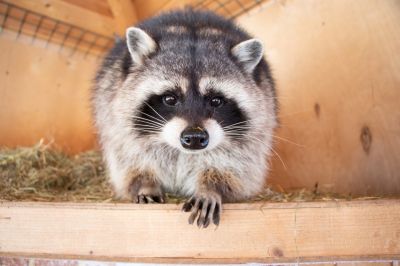
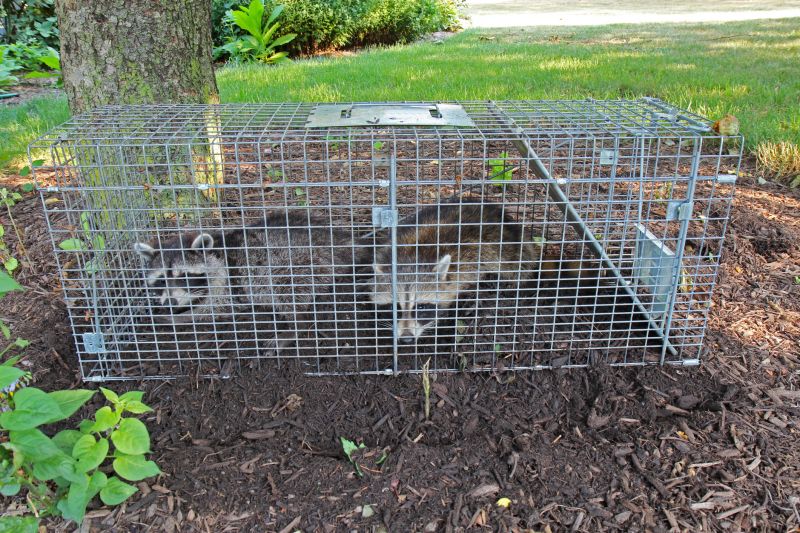
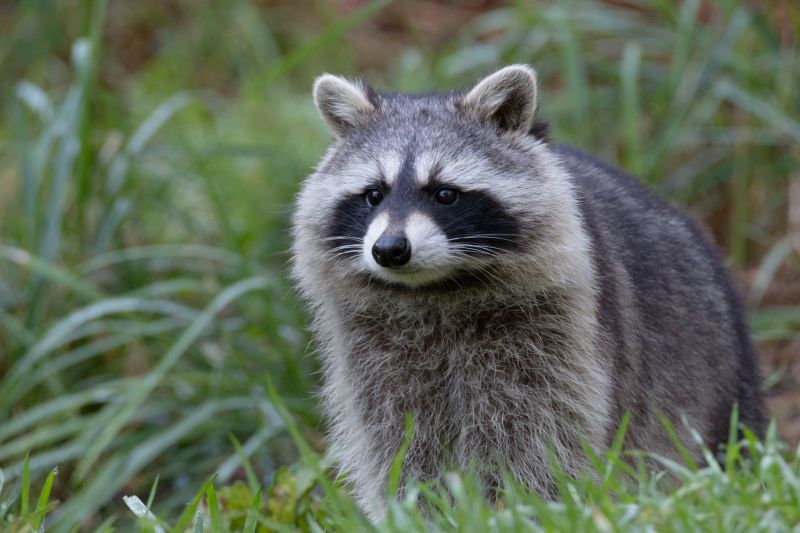
When searching for information on preventing raccoon damage to roofs, attics, and siding, homeowners typically want to understand how raccoons can cause problems on their properties and what steps can be taken to avoid costly repairs. Raccoons are known for their dexterity and curiosity, which often leads them to explore and nest in vulnerable areas like roof vents, soffits, and attic spaces. Many people are concerned about raccoons tearing apart insulation, damaging roofing materials, or creating entry points that allow them to invade living spaces. The goal is to find practical solutions that not only keep raccoons out but also prevent them from causing structural damage or leaving behind waste that can lead to health issues.
This topic often relates to a range of property maintenance and repair plans. Homeowners may be dealing with raccoon activity that has already caused damage or are looking to implement preventative measures before an infestation occurs. Common problems include raccoons tearing shingles or siding, chewing through wiring, and creating openings that enable their entry into attics or crawl spaces. Preventing raccoon damage involves a combination of sealing potential entry points, installing barriers, and sometimes modifying the environment around the property to make it less attractive to these animals. Many property owners seek guidance on how to develop an effective plan that addresses existing vulnerabilities and reduces the risk of future raccoon visits.
Properties most often affected by raccoon damage tend to be residential homes, especially those with accessible roofs, open attics, or poorly secured siding. Houses with large trees nearby or those situated in wooded or suburban areas are particularly vulnerable, as raccoons often use trees and overhanging branches to access roofs. Additionally, outbuildings, garages, and sheds that are not properly sealed can become entry points for raccoons seeking shelter or nesting sites. Even commercial properties with similar structural features can experience raccoon-related issues. Homeowners need to understand that addressing raccoon damage prevention is a proactive step to protect their property’s integrity and avoid costly repairs down the line.
Local service providers specializing in raccoon removal and property protection play a key role in preventing raccoon damage to roofs, attics, and siding. These professionals can assess a property’s vulnerabilities, identify existing entry points, and recommend effective solutions tailored to each situation. They often install exclusion devices, repair damaged areas, and advise on environmental modifications that make properties less appealing to raccoons. Connecting with experienced local contractors ensures that the necessary work is done properly, reducing the likelihood of raccoons returning and causing further damage. Proper prevention not only safeguards the property but also promotes a safe and humane approach to managing raccoon activity.
Roof Repair and Reinforcement - local contractors specializing in roof repair can help strengthen vulnerable areas to prevent raccoon entry and damage.
Attic Insulation and Ventilation - professionals offering attic insulation services can improve ventilation, making attics less attractive to raccoons seeking shelter.
Siding Replacement and Repair - siding specialists can replace or reinforce siding to eliminate entry points for raccoons and protect the structure.
Gutter and Drainage System Services - local service providers can optimize gutter systems to prevent raccoons from accessing roofs and attics via drainage pathways.
Exclusion and Barrier Installation - experts can install physical barriers and exclusion devices to keep raccoons out of roofs, attics, and siding areas.
Pest and Wildlife Control - wildlife removal specialists can safely remove raccoons and implement measures to prevent future intrusions.
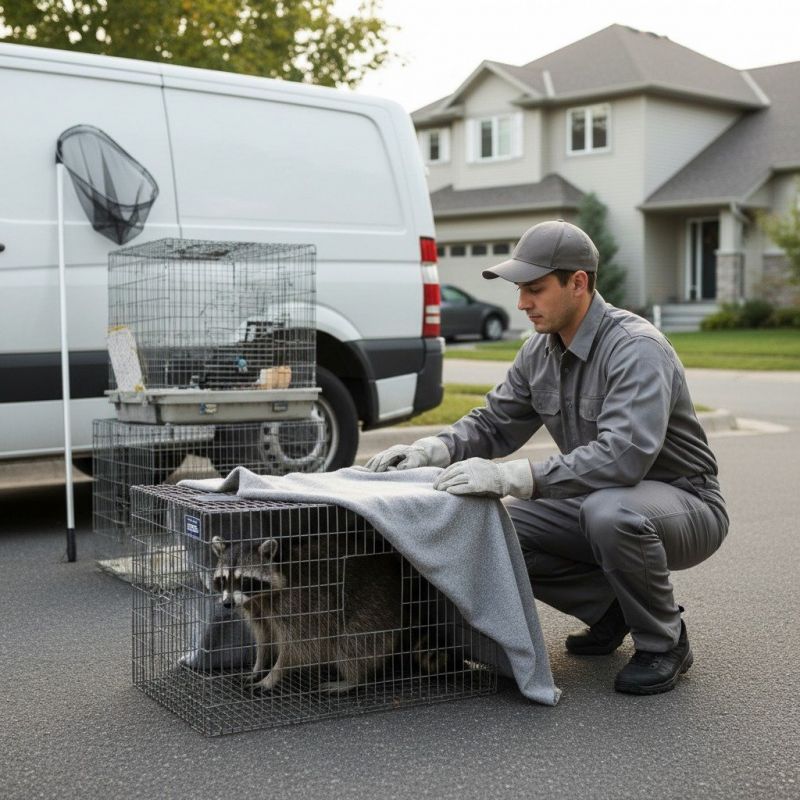
When evaluating service providers for preventing raccoon damage to roofs, attics, and siding, it’s important to consider their experience with similar projects. Homeowners should inquire about how long a local contractor has been handling raccoon-related issues and whether they have a history of successfully addressing problems like entry prevention or removal. An experienced professional will be familiar with the common entry points raccoons use and the most effective strategies to secure a property against future damage, ensuring that the work is tailored to the specific needs of the home.
Clear, written expectations are essential when comparing local contractors for raccoon prevention services. Homeowners should seek detailed descriptions of what the service includes, such as inspection procedures, sealing methods, or removal techniques. Having a transparent plan helps ensure that there are no misunderstandings about what will be done and provides a basis for assessing whether the scope of work aligns with the homeowner’s concerns about preventing raccoon damage to roofs, attics, and siding.
Reputable references and effective communication are key factors in selecting a reliable service provider. Homeowners can ask for references from previous clients who experienced similar raccoon issues, which can provide insight into the contractor’s ability to deliver quality results. Additionally, a contractor’s responsiveness and clarity in explaining options and procedures demonstrate their professionalism and commitment to customer satisfaction. Good communication fosters confidence that the project will be managed smoothly and that the homeowner’s concerns about raccoon damage prevention are understood and addressed properly.
Property owners often search for preventing raccoon damage to roofs, attics, and siding when they are planning practical projects around their homes and businesses. Local pros provide Racoon Removal services for everyday jobs and straightforward project options.
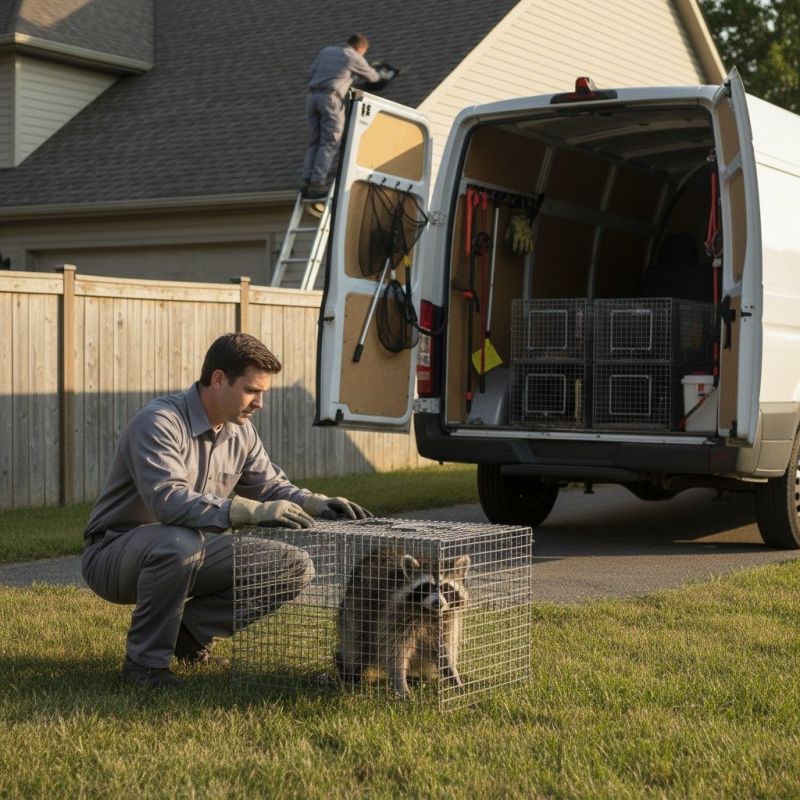
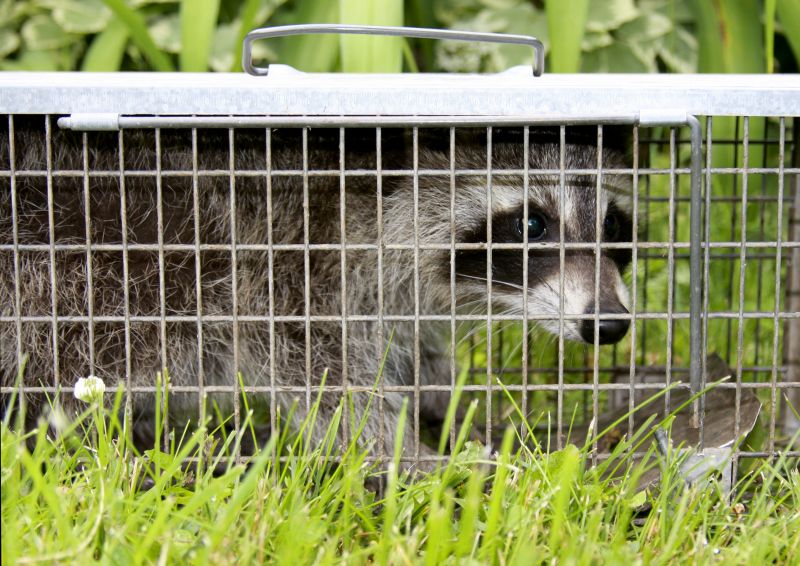
Homeowners in the area often look up preventing raccoon damage to roofs, attics, and siding after noticing signs of raccoon activity or damage. Raccoons are known to seek shelter in attics and crawl spaces, especially during colder months, which can lead to torn insulation, chewed wiring, and structural harm. Property owners may want to explore simple preventative measures or seek advice on how to secure vulnerable entry points before raccoons cause costly repairs. Connecting with local contractors experienced in raccoon removal can help identify weak spots and implement effective strategies to keep these animals out, protecting the home from future damage.
Many people also search for raccoon removal services when they suspect raccoons have already entered their property or caused damage. These service providers can assess the situation, safely remove any raccoons, and help reinforce the home’s exterior to prevent repeat visits. Engaging with local experts ensures that the problem is handled efficiently and humanely, reducing the risk of ongoing damage to roofs, attics, and siding. For property owners wanting to safeguard their homes, working with experienced local contractors offers practical solutions tailored to the specific needs of the area.
How can I prevent raccoons from entering my attic? Local contractors can install barriers such as chimney caps, vent covers, and sealing entry points to keep raccoons out of attics and prevent damage.
What are effective ways to protect siding from raccoon damage? Service providers often recommend installing fencing, trim, or barriers to deter raccoons from climbing or accessing siding areas prone to damage.
Are there measures to prevent raccoons from damaging roofs? Yes, local pros can reinforce roof vents, seal gaps, and install deterrents to prevent raccoons from accessing and damaging roofing materials.
How do professionals handle raccoon removal without causing damage? Experienced service providers safely trap and remove raccoons, then implement exclusion methods to prevent future intrusions and protect property structures.
What long-term solutions exist for preventing raccoon damage? Local contractors can recommend ongoing exclusion strategies, habitat modifications, and maintenance practices to minimize raccoon attraction and damage risks.
Secure entry points - sealing gaps and holes around roofs, attics, and siding can prevent raccoons from gaining access, with local contractors providing expert inspections and repairs.
Install deterrents - adding motion-activated lights or noise devices can discourage raccoons from approaching, and local service providers can help with proper installation.
Trim trees and shrubs - reducing nearby cover and access routes makes properties less attractive to raccoons, with local pros offering landscape adjustments to enhance deterrence.
Use protective barriers - installing fencing or specialized mesh around vulnerable areas can block raccoon entry, and local contractors can ensure barriers are properly fitted and secure.
If you are thinking about preventing raccoon damage to roofs, attics, and siding for a property, this guide is meant to help you understand this topic, the typical project types, and how different options might fit your plans.
When you are ready, you can use the quote form on this page to share a few details about your project. From there, local pros can review the basics and follow up with options that match what you have in mind.