Why Racoons Tear Into Soffits, Fascia, and Roof Edges
People searching for racoon removal often want to stop raccoons from tearing into soffits, fascia, and roof edges, and local service providers can effectively handle this problem.
If you’ve noticed raccoons tearing into soffits, fascia, or roof edges, you’re not alone. Property owners in the area often find themselves facing this common issue, especially during certain seasons when raccoons become more active. Understanding why raccoons target these parts of a home can help in taking practical steps to protect your property. Raccoons are naturally curious and highly adaptable creatures, often drawn to accessible food sources or sheltered nesting spots. Damaged or exposed roof edges provide easy entry points, making it tempting for raccoons to investigate and eventually cause damage.
Local contractors who specialize in raccoon removal can offer solutions to prevent further destruction and keep unwanted visitors at bay. They understand how raccoons interact with roof structures and can recommend effective repairs or deterrents to safeguard your home. Exploring this topic further can help property owners identify vulnerabilities and take proactive measures. Keep reading to learn more about the motivations behind raccoon behavior and how professional services can assist in resolving these issues efficiently.
- Raccoon Damage Repair - homeowners noticing raccoon activity tearing into soffits, fascia, or roof edges can rely on local contractors to assess and restore damaged areas.
- Wildlife Entry Prevention - when raccoons are suspected of forcing their way into roof edges or soffits, local service providers can install barriers and repairs to block access points.
- Structural Inspection and Reinforcement - signs of raccoons tearing into roof edges often indicate vulnerabilities that local pros can evaluate and reinforce to prevent future intrusion.
- Pest Damage Restoration - after raccoons cause damage to fascia or roof edges, local contractors can perform repairs to restore the integrity of the structure.
- Exclusion and Deterrent Installation - to prevent raccoons from tearing into soffits and fascia, local service providers can implement deterrents and exclusion devices.
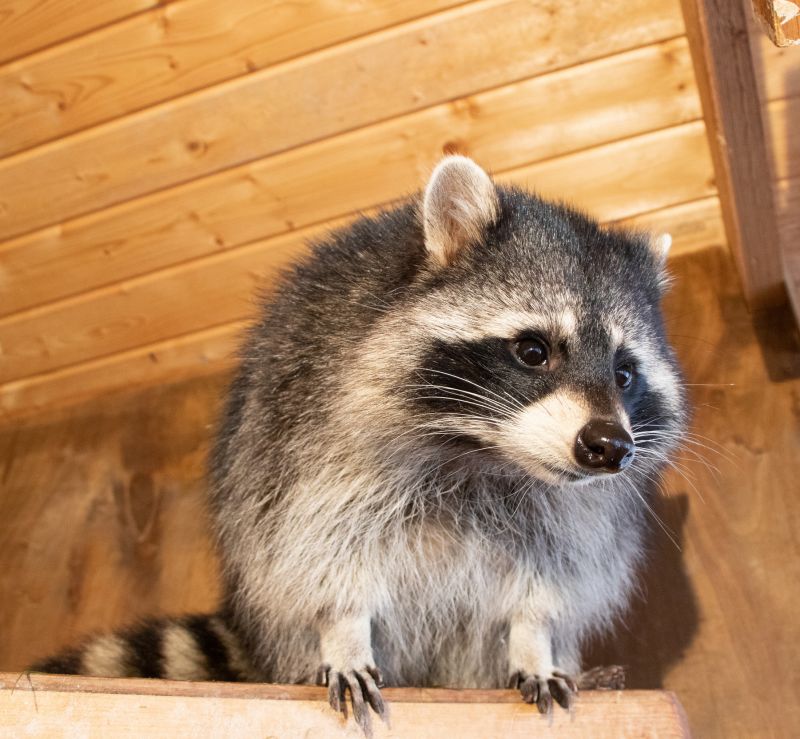
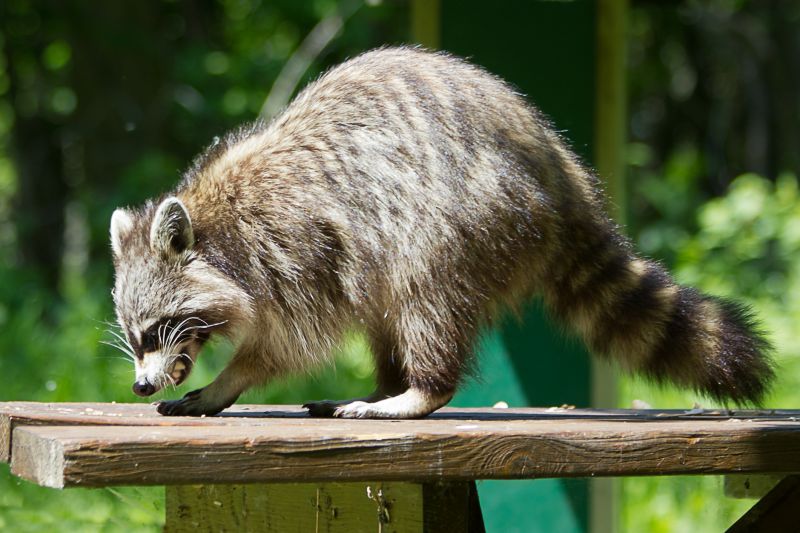
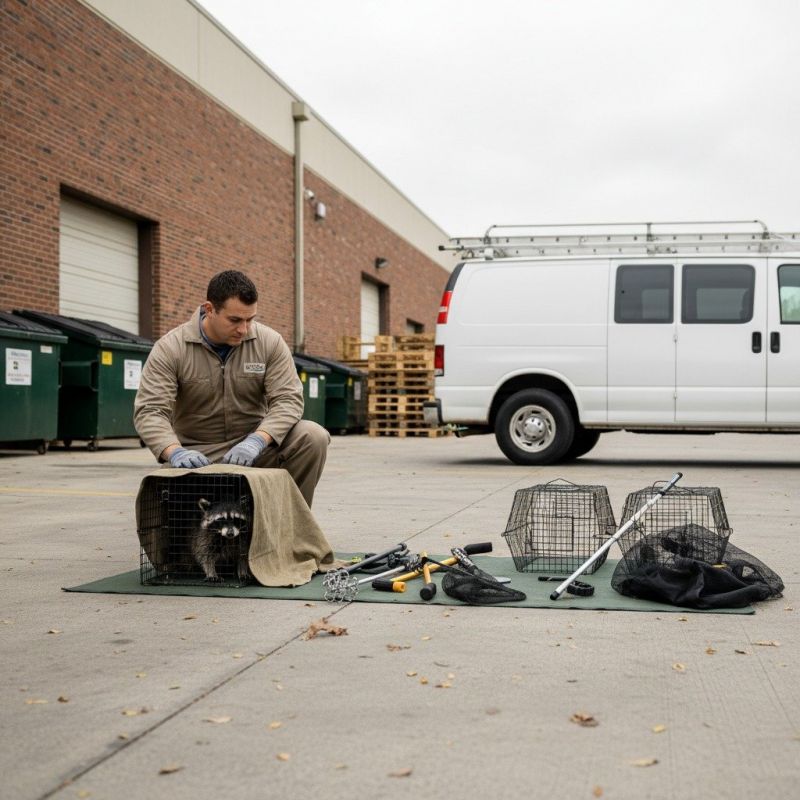
When people search for why racoons tear into soffits, fascia, and roof edges, they are usually trying to understand the reasons behind raccoon activity around their homes’ upper exteriors. This behavior often signals a raccoon problem that homeowners want to resolve quickly, either to prevent damage or to stop raccoons from entering the attic or living space. Many inquiries stem from noticing torn or chewed-up siding, missing or damaged fascia boards, or disturbed roof edges. These signs can indicate that raccoons are actively seeking entry points or nesting sites, making it important to identify the root cause of their destructive behavior.
This issue is closely related to property damage and wildlife control plans. Raccoons are known for their dexterity and curiosity, which can lead them to tear into soffits and fascia in search of food, shelter, or nesting spots. Damage to these structures not only compromises the home’s exterior but can also create access points for raccoons to get inside the attic or crawl spaces. Homeowners often look for solutions that include removal of raccoons, repairs to damaged areas, and prevention strategies to deter future intrusions. Addressing these problems early can help prevent more extensive repairs and reduce the risk of raccoons causing further damage or creating safety hazards.
Properties most commonly affected by raccoon tearing behaviors tend to be those with accessible roof edges, such as homes with overhanging eaves, older buildings with worn or loose soffits, and structures with open or damaged fascia boards. Residential houses, especially those in suburban or rural settings, are frequent targets because their roof designs often provide easy access points. Additionally, garages, sheds, and outbuildings with similar structural features may also be vulnerable. It’s important for homeowners to recognize that raccoons are opportunistic and will exploit any weak or open areas along roof edges, emphasizing the need for professional assessment and repair.
Local service providers specializing in raccoon removal and property repairs play a vital role in addressing these issues. They can evaluate the extent of damage, identify how raccoons are gaining entry, and implement humane removal methods. After raccoons are removed, these pros can also perform necessary repairs to soffits, fascia, and roof edges to block future access points. Engaging experienced contractors ensures that the structural integrity of the home is restored and that preventative measures are in place to keep raccoons from returning. Connecting with reputable local pros can help homeowners resolve raccoon-related damage efficiently and effectively, protecting both their property and peace of mind.
Gutter Repair and Installation - Professionals skilled in gutter work can address damage caused by raccoons and help reinforce roof edges to prevent future intrusions.
Soffit and Fascia Replacement - Local contractors experienced in soffit and fascia projects can replace or repair damaged materials that raccoons have torn into, enhancing home protection.
Roof Edge Reinforcement - Experts in roof edge upgrades can install barriers or deterrents to keep raccoons from accessing and damaging vulnerable roof components.
Bird and Pest Proofing - Service providers specializing in pest proofing can help seal entry points that raccoons use to tear into roof edges and soffits.
Attic Vent and Insulation Services - Contractors working on attic ventilation can improve airflow while preventing raccoon access to roof eaves and soffits.
Wildlife Exclusion and Removal - Local pros experienced in wildlife exclusion can safely remove raccoons and prevent them from returning to tear into roof edges and soffits.
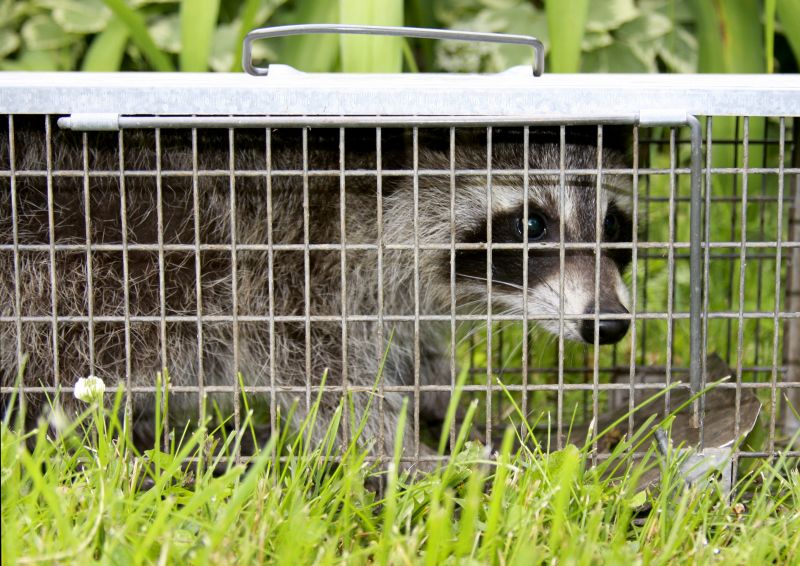
When comparing service providers for raccoon removal and repairs related to damage caused by raccoons tearing into soffits, fascia, and roof edges, it is important to consider their experience with similar projects. Homeowners should look for local contractors who have a track record of handling wildlife-related damage, especially involving roof edges and exterior structures. An experienced professional will understand the common causes behind raccoons targeting these areas and will be better equipped to provide effective solutions that address both the immediate damage and the underlying issues attracting raccoons.
Clear written expectations are essential when selecting a local contractor for raccoon-related repairs. Homeowners should seek providers who can offer detailed descriptions of the scope of work, including inspection, damage repair, and wildlife exclusion measures. This clarity helps ensure everyone is aligned on what the project entails and minimizes misunderstandings. A reputable service provider will be transparent about what can be accomplished and will outline the steps needed to prevent future raccoon intrusions, making the process more straightforward and manageable.
Reputable references and good communication are key factors in choosing a reliable local contractor. Homeowners should look for providers who can supply references from previous clients with similar projects, demonstrating their ability to handle raccoon-related damage effectively. Additionally, good communication throughout the process-such as timely responses to questions and clear explanations of repair and removal procedures-can make a significant difference in the overall experience. These qualities help ensure that the work is completed to satisfaction and that any concerns are addressed promptly, reducing the chances of repeat issues with raccoons damaging roof edges and exterior structures.
Property owners often search for why racoons tear into soffits, fascia, and roof edges when they are planning practical projects around their homes and businesses. Local pros provide Racoon Removal services for everyday jobs and straightforward project options.

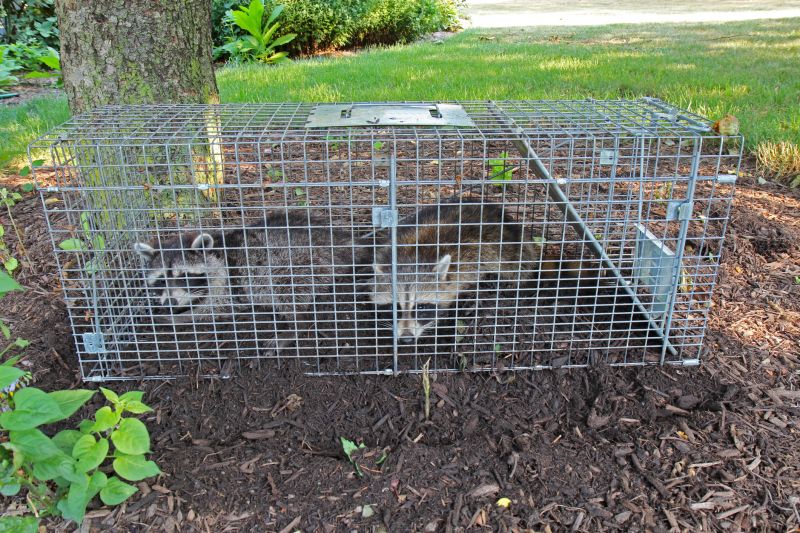
Raccoons are known for their resourcefulness and curiosity, which can lead them to target vulnerable areas of a property’s exterior, such as soffits, fascia, and roof edges. These parts of a home provide easy access points and shelter, especially if they are damaged, loose, or deteriorated. Property owners in the area might notice raccoons tearing into these sections while searching for nesting spots, food sources, or simply exploring their surroundings. Such damage not only creates a risk of further structural issues but also opens the door for more pests to enter the home, prompting many to seek help from local contractors experienced in raccoon removal and property repair.
Understanding why raccoons tear into soffits, fascia, and roof edges can help property owners recognize the importance of professional intervention. Local service providers who specialize in raccoon removal can assess the situation, identify entry points, and recommend effective solutions to prevent future intrusions. Whether it’s repairing damaged areas or installing barriers, these experts can help restore the home’s exterior and ensure unwanted wildlife is kept out. Considering the potential for ongoing damage and safety concerns, connecting with local contractors can be a practical step toward protecting the property from raccoon-related issues.
Why do racoons target soffits, fascia, and roof edges? Racoons often tear into these areas to access nesting sites or find food sources, especially if they detect open or damaged sections that make entry easier. Local contractors can help identify vulnerabilities and secure these areas to prevent racoon intrusion.
What attracts racoons to tear into roof edges and fascia? Racoons are attracted by the warmth, shelter, and potential food sources found near roof edges and soffits, such as bird nests or exposed garbage. Professional racoon removal services can advise on ways to make these areas less appealing to wildlife.
How can I tell if racoons are tearing into my roof edges? Signs include torn or chewed soffits, displaced fascia, and evidence of nesting or droppings near roof areas. Local service providers can inspect your property to confirm racoon activity and recommend appropriate repairs.
Are there specific damages caused by racoons tearing into roof components? Yes, racoons can cause structural damage by gnawing on wood, tearing insulation, and creating entry points that compromise the integrity of the roofline. Experienced contractors can repair and reinforce these areas to prevent future issues.
How can professional services help prevent racoons from tearing into roof edges? Service providers can install barriers, seal entry points, and recommend deterrents to keep racoons away from soffits, fascia, and roof edges, reducing the likelihood of damage and wildlife intrusion.
Understanding raccoon behavior - Recognizing why racoons tear into soffits, fascia, and roof edges can help property owners identify vulnerable areas before damage occurs, making it easier for local contractors to recommend targeted removal strategies.
Securing vulnerable roof edges - Applying protective barriers or repairs to soffits and fascia can prevent raccoons from accessing roof spaces, with local service providers offering effective installation options.
Identifying entry points - Detecting small openings or damage that raccoons exploit encourages property owners to seek professional repair services to block these access points and discourage future intrusion.
Implementing deterrent solutions - Using humane deterrents or modifications suggested by local contractors can reduce raccoon interest in tearing into roof edges, helping to protect the home’s structure.
If you are thinking about why racoons tear into soffits, fascia, and roof edges for a property, this guide is meant to help you understand this topic, the typical project types, and how different options might fit your plans.
When you are ready, you can use the quote form on this page to share a few details about your project. From there, local pros can review the basics and follow up with options that match what you have in mind.